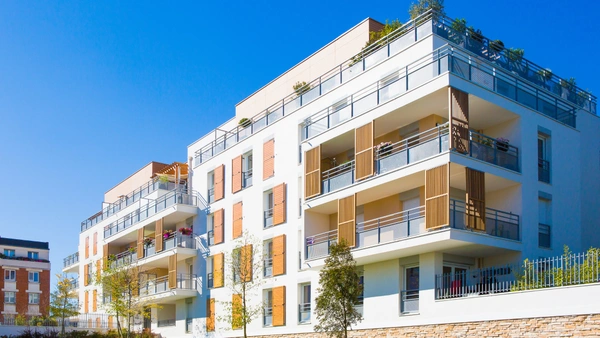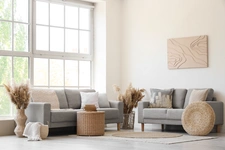
Are you wondering which orientation to prioritise so that your future house or apartment is bright, comfortable and energy efficient?
Should you choose a façade facing south, south-east or south-west to maximise daily comfort and increase your property’s value?
In this short practical guide, we explain why the best orientation for a house affects natural light and thermal comfort.
We also present alternative exposures (east, west) and the idea of sun orientation for a home.
You’ll find advice for a building plot or a new-build off-plan purchase (VEFA), as well as information on how orientation impacts value.
For all your questions and personalised support, contact your nearest Optimhome property advisor.
Understanding Sun Orientation for a Home: The Basics of Cardinal Points and Their Impact
Choosing the orientation of a home starts with understanding the apparent path of the sun. You also need to know the cardinal points: north, south, east and west, as well as intermediate orientations.
The sun rises in the east, reaches its highest point towards the south at midday, and sets in the west. Each façade therefore receives different light depending on the time of day and the season.
In winter, the sun stays low on the horizon. A south-facing exposure then offers maximum sunlight and useful solar gains for passive heating.
In summer, the sun is higher in the sky. Suitable shading is necessary to limit overheating.
Glazed surfaces and window quality play a key role. High-performance glazing reduces heat loss in winter and limits overheating in summer.
Geographical context also modifies these rules. In warmer regions, you will try to limit excessive sunlight. In colder regions, you will aim to optimise solar gains.
The immediate environment also matters: trees, neighbouring buildings and terrain can create shade. Finally, the local urban plan (PLU) and subdivision rules may constrain how the building can be positioned.
South-Facing: The Ideal Exposure for Living Areas
South-facing orientation is often considered the best for living rooms, dining rooms and terraces. It provides long hours of sunlight and heat gains during the colder seasons.
Placing the main living area to the south ensures abundant natural light. This reduces the need for artificial lighting and lowers heating needs in winter.
In summer, solar protection is essential. Shading devices, blinds, awnings or pergolas help limit overheating. Vegetation can also create effective shade.
South-facing façades are also well suited to solar panels and photovoltaic panels. They improve energy efficiency and reduce the property’s carbon footprint.
East- and West-Facing: Pros and Cons for Bedrooms and Specific Rooms
East-facing façades receive morning light. This gentle light is ideal for bedrooms and the kitchen.
An east-facing bedroom enjoys morning sun without suffering from afternoon heat. This improves comfort and reduces the need for air conditioning.
West-facing exposure brings strong light at the end of the day. It provides warmth and brightness in the afternoon but can cause temperature spikes in summer.
For west-facing façades, plan appropriate shading (shutters, blinds) and strategic vegetation. These solutions limit thermal impact, especially when there are large glazed areas.
North-Facing and Mixed Exposures: What Do They Mean for the Home?
North-facing exposure receives little direct sunlight. The light is diffuse and more constant, which suits technical or secondary rooms.
North-facing rooms are suitable for garages, utility rooms, walk-in wardrobes and storage spaces. They do not need strong sunlight.
A north-facing exposure can also work well for studios or offices. The even light reduces glare and provides consistently good visual comfort.
Mixed expositions such as south-east and south-west are a good compromise. They capture morning or late-afternoon sunlight while avoiding some drawbacks of full south exposure.
On a plot exposed to prevailing winds, combining orientations and openings helps optimise natural ventilation. This cools the home without relying on air conditioning.
North-Facing Exposure: Areas to Prioritise and Layout Tips
Reserve the least-used zones for the north side: garage, pantry, utility room and technical spaces. Avoid placing main living areas there.
To limit heat loss on these façades, choose enhanced insulation and high-performance windows. This is essential to comply with RE 2020 for new builds.
In a project, keep window sizes smaller on the north side. Well-insulated, well-protected openings are sufficient for ventilation and diffuse daylight.
South-West and South-East: A Strong Alternative for Better Home Orientation
South-east and south-west orientations are often popular. They offer extended sunlight without all the drawbacks of full south exposure in very warm climates.
South-east favours morning light. It is well suited to bedrooms and the kitchen.
South-west captures afternoon light until sunset. It is a favourite for evening terraces.
These mixed exposures also make it easier to install solar panels and benefit from passive solar gains in winter, without causing excessive overheating in summer.
Choosing the Best Orientation for a New House, Building Plot or Apartment
When buying a building plot or a new-build off-plan (VEFA), orientation should be one of your top criteria. It affects room layout, energy performance and overall quality of life.
Check cadastral constraints, the local urban plan (PLU), easements and the slope of the land. Identify obstacles that may cast shadow.
With a builder or project manager, you can often customise the layout. Position main rooms facing south or south-east and bedrooms to the east.
In a housing estate, some plots offer better positioning possibilities. Look for plots with favourable orientation to maximise sunlight on outdoor areas.
In a VEFA purchase, ask for detailed plans and the possibility of changing room layouts. Even slight adjustments can improve comfort and reduce energy consumption.
Plot Orientation and Room Positioning for a New House
Study the building placement in relation to climate data: prevailing winds, hours of maximum winter sun and surrounding obstacles.
Prefer to locate the living room and terrace to the south or south-east, place bedrooms to the east and technical rooms to the north. This layout balances natural light and energy performance.
If the plot is constrained, several solutions exist: dormer windows, light wells, targeted picture windows, or redistributing rooms to capture as much natural light as possible.
Ideal Orientation for an Apartment Depending on Location and Layout
For an apartment, the floor level and position in the building determine sunlight. A higher floor generally gets more light than a ground floor in an inner courtyard.
A sunny apartment façade facing south, south-east or south-west is highly sought after. It improves living room brightness and terrace quality.
Corner apartments often offer dual aspect. This is a real asset for cross-ventilation and light quality.
Also think about the ideal orientation for a terrace or balcony depending on how you’ll use it: mornings (east) or evenings (south-west).
The Impact of Orientation on Thermal Comfort, Energy Use and Performance
Orientation affects free solar gains. These gains directly change heating needs in winter and cooling needs in summer.
An optimised orientation allows you to take advantage of passive solar energy. Well-oriented glazing and thermal mass in materials reduce heating requirements.
Conversely, without protection, large south-west or west-facing windows can cause heat spikes in summer. This increases air-conditioning use.
Combining good orientation with high-performance insulation, suitable windows and controlled ventilation (mechanical ventilation / VMC) remains essential. It is key to meeting RE 2020 standards.
Installing solar panels on a well-oriented roof completes the strategy. It lowers energy bills and increases the property’s market value.
How Orientation Affects Energy Bills and Carbon Footprint
A well-oriented home can significantly reduce heating demand. Optimised solar gains therefore reduce annual costs.
Combining a south-facing orientation with appropriate insulation reduces reliance on fossil fuels. This lowers the home’s carbon footprint.
For an investor, a well-oriented property is more attractive. Low energy costs improve rental yield and capital value.
Layout Tips to Limit Overheating and Optimise Light
To limit summer heat, favour active protections (blinds, roller shutters) and passive ones (vegetation, pergolas). Choose solar-control glazing.
Optimise natural ventilation by working on the positioning of openings. Cross-ventilation is very effective for cooling without air conditioning.
Use light colours and reflective interior materials. They improve the diffusion of natural light and reduce the need for artificial lighting.
Property Value: How the Best Orientation Impacts Price and Attractiveness
On the market, exposure is a criterion frequently mentioned by buyers. Properties facing south, south-east and south-west generally sell faster and at better prices.
Good orientation improves quality of life and reduces energy costs. It is a strong selling point in listings and during viewings.
For rental investors, better apartment orientation makes letting easier. It can justify a higher rent, especially in high-demand areas.
Highlighting exposure means making targeted investments: high-performance glazing, insulation, blinds and outdoor features that showcase light and comfort.
How Orientation Impacts Demand and Sale Price
Buyers tend to favour south-facing living rooms and sunny terraces. Listings that mention favourable exposure attract more enquiries and visits.
In price negotiations, a well-oriented property usually offers less room for discount. Strong demand allows the seller to defend the asking price more effectively.
Tips for Sellers and Investors to Enhance Their Property Through Its Orientation
In the listing and during viewings, showcase natural light at different times of day and in different seasons. Use photos taken in natural daylight.
Invest in visible improvements: blinds, terrace layout, insulation and windows. These works increase appeal and help justify the asking price.
A recent energy performance certificate (EPC/DPE) strengthens your case. It reassures buyers and investors about potential savings.
Optimhome Support: Get Personalised Advice to Choose the Best Orientation
Optimhome advisors support each property project with a personalised approach. They assess the property’s orientation and your lifestyle plans.
They analyse the local context (climate, prevailing winds, PLU rules) and propose tailored solutions. They guide you on room layout and the feasibility of a VEFA project.
Whether you’re buying, selling, investing to let or building a new home, your Optimhome advisor guides you in both technical and commercial choices.
A well-chosen orientation (often south, south-east or south-west) improves brightness, thermal comfort and reduces energy consumption.
East-facing façades suit bedrooms and the kitchen; west-facing façades require shading to limit afternoon heat.
For a new house or plot, study the PLU, prevailing winds and sunlight to place main rooms to the south and technical rooms to the north.
Combining good orientation, high-performance insulation and suitable glazing is essential to meet RE 2020 and reduce the carbon footprint.
Favourable exposure increases a property’s attractiveness and value: mention it in the listing, illustrate it with photos and enhance outdoor areas (terrace, balcony).
For a constrained project, technical solutions (dormers, room redistribution, solar shading) help optimise light and comfort.
For personalised support and local expertise, contact your Optimhome property advisor for buying, selling, VEFA, new-build construction or increasing your property’s value.
FAQ
What is the best orientation for a house?
The best orientation for a house is generally full south or south-east, as they offer optimal daytime sunlight and useful solar gains in winter.
Until what time does the sun shine on a south-west exposure?
A south-west exposure can receive sunlight until sunset. This usually corresponds to a time window between around 7 p.m. and 9 p.m., depending on the season and latitude.
What is the best orientation for an apartment?
For an apartment, south, south-east and south-west orientations are preferred to ensure good brightness and comfort, especially for the living room and terrace.
Until what time does the sun shine on a north-west exposure?
A north-west exposure receives light in late afternoon and early evening, typically between about 4 p.m. and 7 p.m., with softer light and less heat in summer.
Which direction should you choose for your house’s exposure?
It is advisable to favour a south-facing façade for living areas, east for bedrooms and north for technical rooms, to balance comfort, energy performance and quality of life.
How can you find north inside a house?
Use a compass or a smartphone app. The sun rises in the east and sets in the west; at midday, south is approximately where the sun is highest in the sky.
Author :

Fabrice DOBROWOLSKI - Optimhome Network Development Director
Optimhome offers you personalized support for your real estate project. Benefit from all my advice, based on several years of experience, to ensure the success of your project.