Are you wondering whether a non-standard home — a loft, barge, tiny house or architect-designed home — can fit your buying or investment project? Do you want to understand the steps and precautions involved in selling or buying an unusual property in your region?
In this article, we explain what “unusual properties” cover and why they are generating growing enthusiasm in 2026. We also clarify the concept of an “unusual house” and detail the benefits, constraints and market trends. Lastly, you’ll find a practical guide to valuing, marketing and securing your real estate project. Contact your local real estate advisor to get personalised support and make your project a success.
Understanding the concept of an unusual house and unusual space in 2026
An unusual property stands out from standard market offerings. It differs in its shape, use, location or history. Common features include generous volumes, singular architecture, a former non-residential use, or an alternative way of living. These characteristics explain its appeal: charm, originality and strong “love at first sight” potential. They attract first-time buyers, tourism investors and owners looking for a truly unique place.
However, originality often complicates valuation and sale. Comparable references are rare. Renovation costs and technical constraints can be high. A precise property valuation must therefore combine local comparables, reconstruction costs and use value. Working with an experienced local advisor is often essential to set a realistic price and define the right sales strategy.
Unusual house: definition and characteristics
The unusual house includes several typologies: architect-designed homes with original layouts, troglodyte homes, stilt houses, or semi-buried homes. They often feature high ceilings, generous volumes, a living room with a fireplace, or highlighted heritage materials. These properties have strong personality and offer great customisation potential, but may require renovation work and specific technical expertise.
Before buying, check the feasibility of the work, compliance with building regulations, and local constraints. Bring in a technical expert if the structure has special structural or heritage features.
Unusual housing in the broad sense: apartments and other unusual spaces
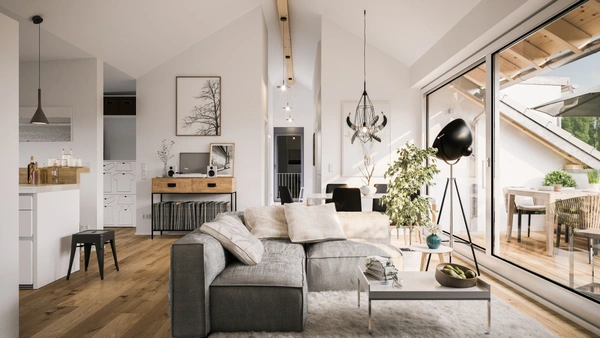
An unusual apartment can be a duplex, a top-floor unit with a terrace, a converted loft, or an open-plan space with a glass roof. These homes are appealing thanks to light, ceiling height and open layouts. They often include a modern open kitchen and contemporary features.
In cities, lofts and artists’ studios appeal to buyers seeking inspiration. On the outskirts, former barns or farmhouses offer a green setting. Value creation relies on careful staging and adapting the property to modern comfort, turning originality into a commercial advantage.
Comprehensive typology of unusual properties in France
Classifying unusual properties by structure, form, location, use, or “lightweight living” helps analyse a project. Each category comes with specific strengths and constraints that should be identified before buying or listing a property.
The typology below helps quickly identify the category of an unusual property and anticipate its technical, legal and commercial implications.
Unusual properties by structure: former industrial sites and rehabilitated buildings
Lofts, artists’ studios and rehabilitated former factories are highly sought after in urban areas. They offer generous volumes, high ceilings and abundant natural light. Their industrial style is valued for character and modular space planning. Converting them into modern homes often requires insulation, electrical upgrades and compliance work.
Advantages: strong value-creation potential; attractive for both rentals and purchases. Constraints: complex co-ownership arrangements, high rehabilitation costs and regulatory obligations. For buy-to-let investors, conversion into contemporary housing or mixed-use spaces can maximise returns.
Unusual properties by form or singular architecture
This category includes architect-designed homes, geodesic domes, A-frame houses, passive houses and troglodyte homes. They stand out through volumes and original technical systems. They appeal for bioclimatic efficiency or landscape integration, but often require specific technical expertise and regulatory adaptations.
Bringing in an architect or technical expert is recommended to estimate works, verify compliance and size the interventions needed to preserve the property’s unique character.
Unusual properties by exceptional location
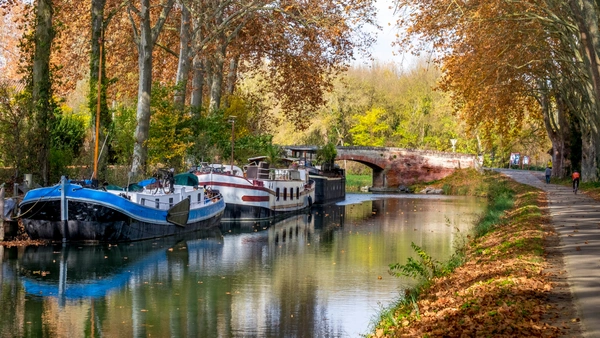
Barges, lighthouses, private islands, forest cabins or “feet-in-the-water” properties fall under exceptional locations. The location accounts for most of the value. These properties offer remarkable views and close contact with nature, but can involve easements, access constraints and potential natural risks.
For selling, storytelling and distribution through specialised channels are essential. For buying, check mooring, access, sanitation constraints and easement regimes linked to the site.
Unusual properties by use or alternative ways of living
Co-living, co-housing, intergenerational residences and mixed-use buildings respond to new lifestyles. They optimise floor space and strengthen social ties. These models attract investors and occupants but require clear governance, suitable legal structures and strong legal control to ensure project sustainability.
Opportunities are strongest in tight urban markets. A solid legal setup and operational management are essential to secure profitability.
Modular, lightweight and alternative housing
Tiny houses, container homes, yurts and demountable chalets attract buyers thanks to simplicity, mobility and lower costs. They suit second-home projects, tourism or modular installations. Their acceptability depends closely on the local planning framework (PLU) and local urban planning rules. It is critical to verify the property’s legal classification and connection/fiscal obligations.
A local real estate advisor can guide you towards suitable solutions or suggest alternatives if regulatory constraints are too strict.
Prestige and heritage unusual properties
Castles, manor houses, mills or private mansions form the heritage segment. These properties require substantial maintenance budgets and knowledge of heritage protection frameworks. The market is more cyclical, but scarcity and prestige sustain international demand. Renovation may require input from the “Architectes des Bâtiments de France” (ABF).
Marketing relies on targeted communication, premium positioning and access to a network of specialised buyers.
Most sought-after unusual properties in 2026: trends and market changes in France
In 2026, certain categories dominate searches: tiny houses, urban lofts, co-living and “icon properties” such as barges or lighthouses. These trends are driven by economic, environmental and societal factors, reflecting a desire for simplicity, originality and flexibility.
Buyer profiles vary: tourism investors, buyers seeking character, and urban residents looking for large volumes. Motivations may be emotional, patrimonial or financial.
Micro-homes and lightweight living: small format, big impact!
Tiny houses and micro-homes are gaining visibility. They appeal thanks to lower entry costs and a smaller energy footprint. They can serve as a second home or a tourist rental product. Local regulations are decisive: the housing classification and municipal approval determine whether installation is possible.
Numerical example: an investor buys a tiny house for €25,000 and places it on leased land costing €5,000/year. With an average rate of €90/night and an occupancy rate of 50%, annual gross revenue reaches roughly €16,425 before fees and charges. This scenario illustrates potential, but net profitability must include insurance, maintenance and taxation.
The loft and the studio: generous volumes and urban demand
Lofts remain sought after for their light and ceiling height. In major cities, demand is strong, especially among self-employed workers. Value depends on careful renovation, a modern open kitchen, and preserving the industrial character during refurbishment.
Sellers and buyers must check the co-ownership structure, insulation and ancillary equipment. A complete sales file with professional photos and a virtual tour strengthens sales performance.
Shared living: co-living and co-housing booming
Co-living attracts young professionals and mobile workers. Co-housing appeals to people who want to co-build their living environment. These formats optimise m² and provide shared services. They require particular attention to the legal setup, governance and operational management.
A local real estate advisor can facilitate project structuring, partner sourcing and explaining tax/rental implications to project owners.
Exceptional properties, barges, lighthouses and other icons of unusual real estate
Icon properties remain an attractive niche. They appeal for their history, rarity and strong narrative power. Although it is not technically “real estate,” a barge represents a specific lifestyle and can become a tourist offering. Buying requires assessing logistics, mooring, maintenance and required authorisations.
A local expert provides relevant comparables and an appropriate valuation, both essential to secure the investment.
Steps and best practices for buying or selling an unusual property
Succeeding with an unusual property requires a clear method: full diagnostics, accurate valuation, targeted marketing, and legal and technical support. Each step must be documented to reassure buyers and optimise negotiation.
The best practices below help structure a strong file and reduce risks linked to the property’s originality.
Valuing an unusual property: specifics and advice
Valuation must account for surface area, location and specific factors: generous volumes, condition, renovation scope and the quality of the “character.” Comparable sales are often scarce. Combine several methods: local comparable sales, reconstruction cost, use value and rental potential. Work with a local advisor and, if needed, an architect or surveyor/diagnostics professional.
A well-justified valuation avoids pricing too high (which slows the sale) or too low (which penalises the seller).
Marketing and tailored sales strategies
Showcasing an unusual space means telling its story. Professional photos, virtual tours and virtual home staging are key tools. The description should highlight strengths: breathtaking views, a patio, a primary suite, or a living room with a fireplace. Publish on general property portals and specialised sites, and add targeted communication on social media and newsletters.
Personalisation is decisive: target buyers who are sensitive to the property’s unique character and provide a complete file including diagnostics and valuation.
Key watch-outs and pitfalls to avoid in an unusual real estate project
Unusual properties offer opportunities, but also risks: planning constraints, renovation costs, ageing structures or co-ownership complications. Anticipation and technical verification are essential. Below are the main vigilance points and practical advice to manage them.
Compliance, diagnostics and regulations
Before committing, check compliance, mandatory diagnostics and local planning rules. Lightweight or demountable housing, such as tiny houses, is governed by specific PLU frameworks. Consult public sources for local rules: service-public.fr - Plan local d’urbanisme (PLU). This verification helps avoid work refusals or costly regularisations.
Diagnostics (asbestos, lead, termites, energy performance) are essential. For heritage properties, additional rules may apply in protected areas or under ABF review.
Assessing total cost and true profitability
A “love at first sight” can hide major works or significant maintenance costs. Estimate renovation precisely, keep a contingency buffer, and include vacancy periods in profitability calculations. For tourist rentals, factor in management costs, insurance and taxation. Bring in professionals to build a realistic rehabilitation budget.
A works schedule and using an architect or contractor help refine the budget and avoid unpleasant surprises.
Special cases for unusual properties across different real estate segments
Opportunities and constraints vary by segment: new builds, renovations, life annuities, prestige, rentals or commercial property. Adapting strategy to the segment improves outcomes and limits risks. Below are the main specifics by sector and practical recommendations.
Unusual properties in new builds and renovations
New-build unusual projects must comply with RE2020 and energy performance standards. Modular projects require an energy calculation at design stage. In renovation, transforming a barn or factory allows you to keep the character while adding modern comfort. Works can represent a significant portion of total cost.
Support schemes may help finance energy renovations. A renovation advisor or broker can help structure financing and assess the project’s economic relevance.
Unusual properties in life annuities, prestige, rentals and commercial property
A life annuity involving an unusual property requires special attention to maintenance costs and the property’s operating model.
Prestige properties require informed buyers and tailored financing structures.
For rentals, unusual tourist properties can generate attractive income, but require specific management and a targeted commercial strategy.
Commercial or mixed-use premises offer income diversification. Check use compatibility in the PLU and co-ownership rules before concluding.
The key role of local Optimhome advisors in making an unusual property project successful
Optimhome advisors have the local presence and experience needed to value an unusual property. They select the right distribution channels and build a tailored strategy. They use modern tools — virtual tours, virtual home staging — and a partner network: architects, diagnosticians and financing brokers.
Whether you are selling a loft, buying an unusual seaside house, investing in a tiny house or promoting a heritage property, a local advisor supports you through to signing. Contact an Optimhome advisor for a detailed valuation, optimised distribution and full support for the financing setup.
An unusual property is defined by its originality: form, use, location or history.
Valuing unusual housing requires local expertise, accounting for generous volumes and checking required works.
2026 trends favour tiny houses, lofts, co-living and exceptional properties (barges, lighthouses) for economic, environmental and societal reasons.
Anticipate constraints: local planning rules, diagnostics, rehabilitation costs and heritage responsibilities.
A tailored marketing strategy (storytelling, virtual tours, home staging) increases your chances of success.
Investing in an unusual property can be profitable—especially for tourist rentals—provided you assess net profitability and management costs.
To secure and succeed with your real estate project (sale, purchase, investment, rental management, life annuity, prestige, commercial), contact a local Optimhome real estate advisor.
FAQ
What is an unusual property?
An unusual property is a home that stands out from standard offerings due to its architecture, use, location or shape: loft, barge, troglodyte house, tiny house, etc.
How do you value an unusual property?
Valuation relies on scarce comparables, assessing generous volumes, estimating renovation works and determining use value. Involving a local real estate advisor and technical experts is recommended.
How can you find an unusual property?
Work with a local advisor who has a network, access to exclusive listings and the ability to source rare assets, including unusual apartments in protected zones.
How do you sell an unusual property?
Adopt a personalised strategy: accurate valuation, complete file, professional photos, virtual tour and distribution through specialised channels to reach buyers drawn to the property’s unique character.
Which types of unusual properties are most sought after in France in 2026?
2026 trends show strong interest in tiny houses, lofts, co-living, container homes and exceptional properties such as barges and lighthouses.
Author :

Fabrice DOBROWOLSKI - Optimhome Network Development Director
Optimhome offers you personalized support for your real estate project. Benefit from all my advice, based on several years of experience, to ensure the success of your project.